The stories most people
are too polite to tell.
Betrayal, vengeance, and hard love, told with a criminologist’s eye and a Brooklyn ear — fiction that refuses to lie to you. Five books, and the essays behind them.


Torn Lives
Not one novel pretending to be three chapters — three complete turns of the screw, each with its own temperature, bound by a single question: once the secret is out, who is still standing, and who deserves your sympathy?
A woman who trusts the man in the bed. A love with a violent twin. A vengeance that feels clean until you have to live with it. The heart mourns. The heart heals. Sometimes the healing is just a more sophisticated wound.
Five books. One refusal to look away.
From poetry that treats lived experience as evidence to novels about the private disasters people pretend are unique.


Why she writes what she writes.
Why I write the things we bury
People like to believe their disaster is custom-made — that no one else has sat in that kitchen at 2 a.m. with a secret that would split the house. That belief is a kind of loneliness, and loneliness is a liar.
Read the essay → On the workInside Torn Lives: three stories, one question
A guide to the three novellas — betrayal, intimate violence, and a vengeance that looks like justice until you have to live with it.
Read the essay → The deskBrooklyn, John Jay, and the long way to the desk
On the borough, criminology, and the long apprenticeship behind the books. If you want a myth of overnight arrival, this is the wrong desk.
Read the essay →Sentences that don’t let you off the hook.
Comfort that lies is just another secret.Poems of Reality
We bury the pain and pray no one finds the body. Curiosity finds it anyway.Why I Write the Things We Bury
Do we judge people for their actions, or show compassion for their transgressions?Torn Lives
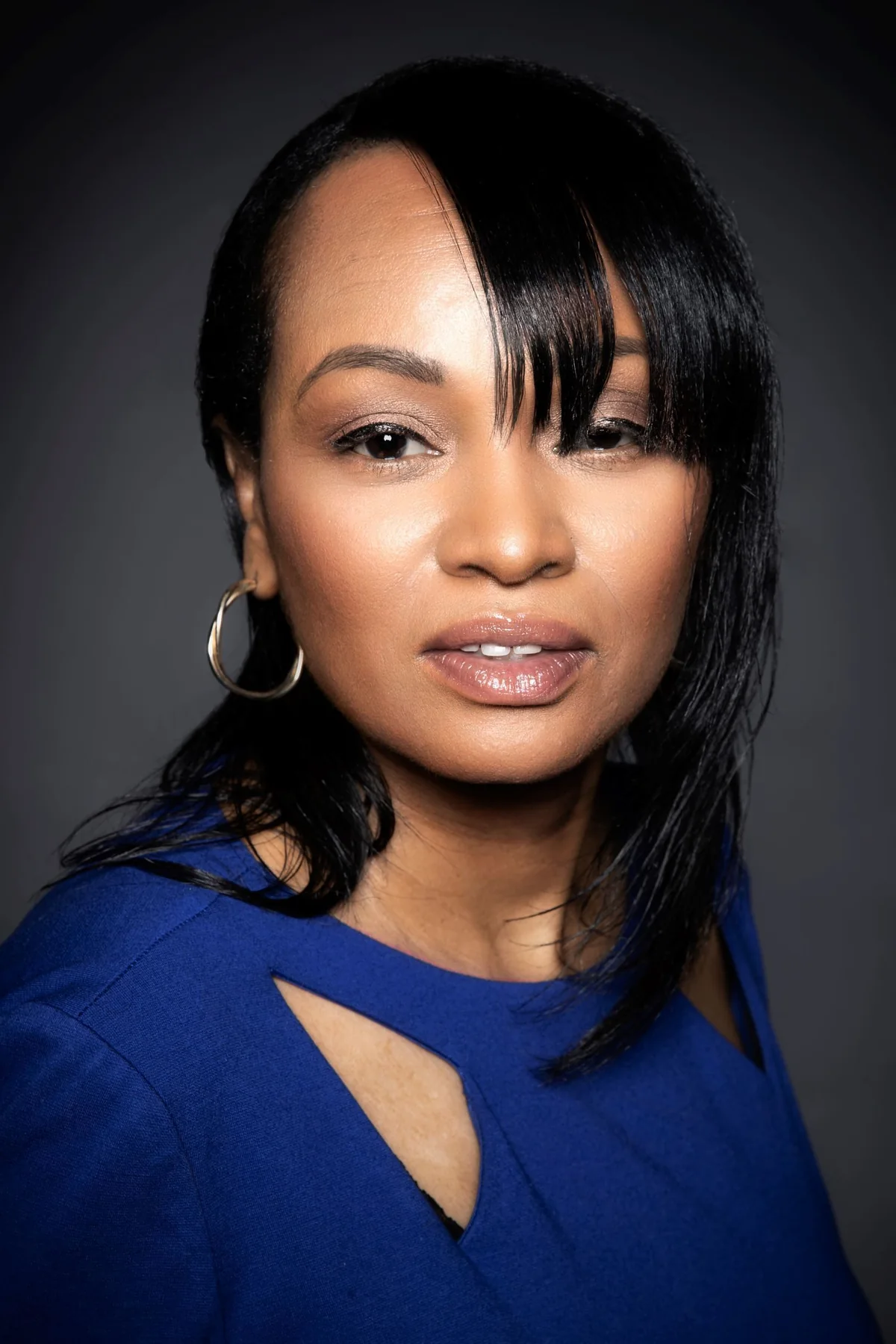
Brooklyn taught her to listen.
Criminology taught her why.
Yolanda Kinlock was raised in Brooklyn — a borough that teaches volume, timing, and the difference between a story that happened and a story that is being performed. She studied business administration at LaGuardia and criminology at John Jay, not for the degrees on a book flap but for the language of the systems — money, law, motive — that already ran the lives she was watching.
The writing started young and never agreed to leave. Articles, then poems, then the longer work. She builds characters by watching people: what they needed, what they told themselves, what the scene looked like from the hallway. In her books, humor isn’t the opposite of pain — it’s how the pain stays bearable long enough to be told.